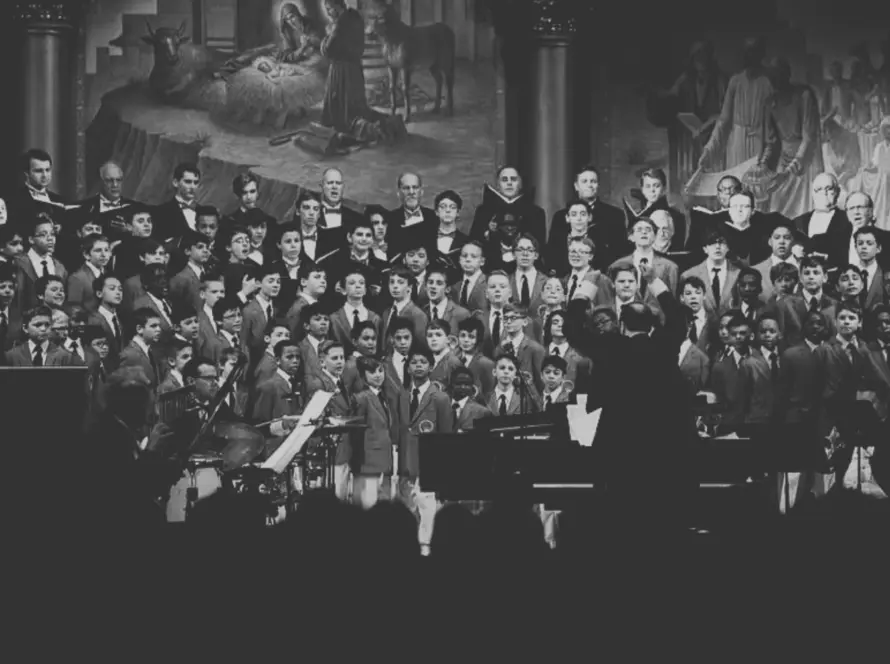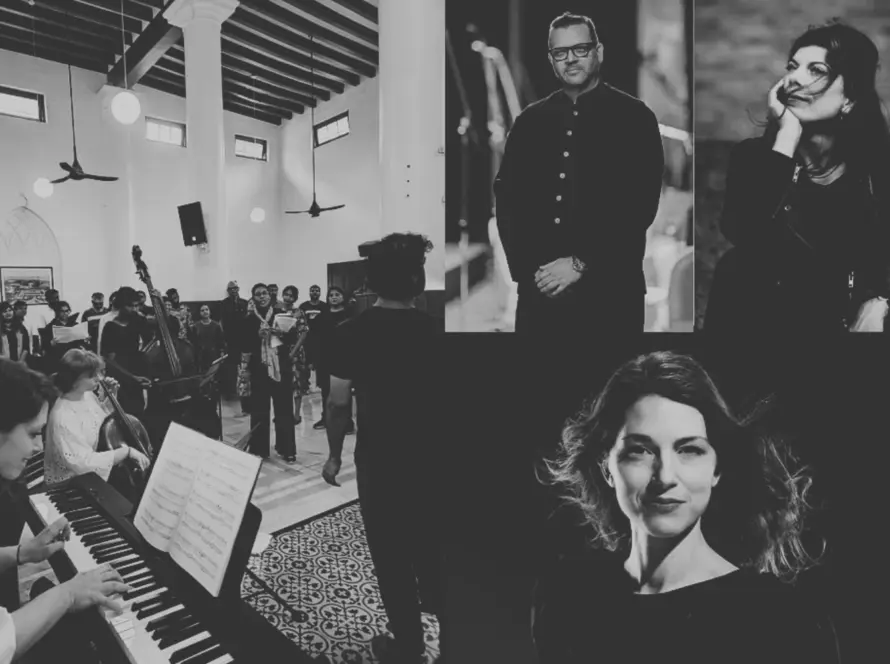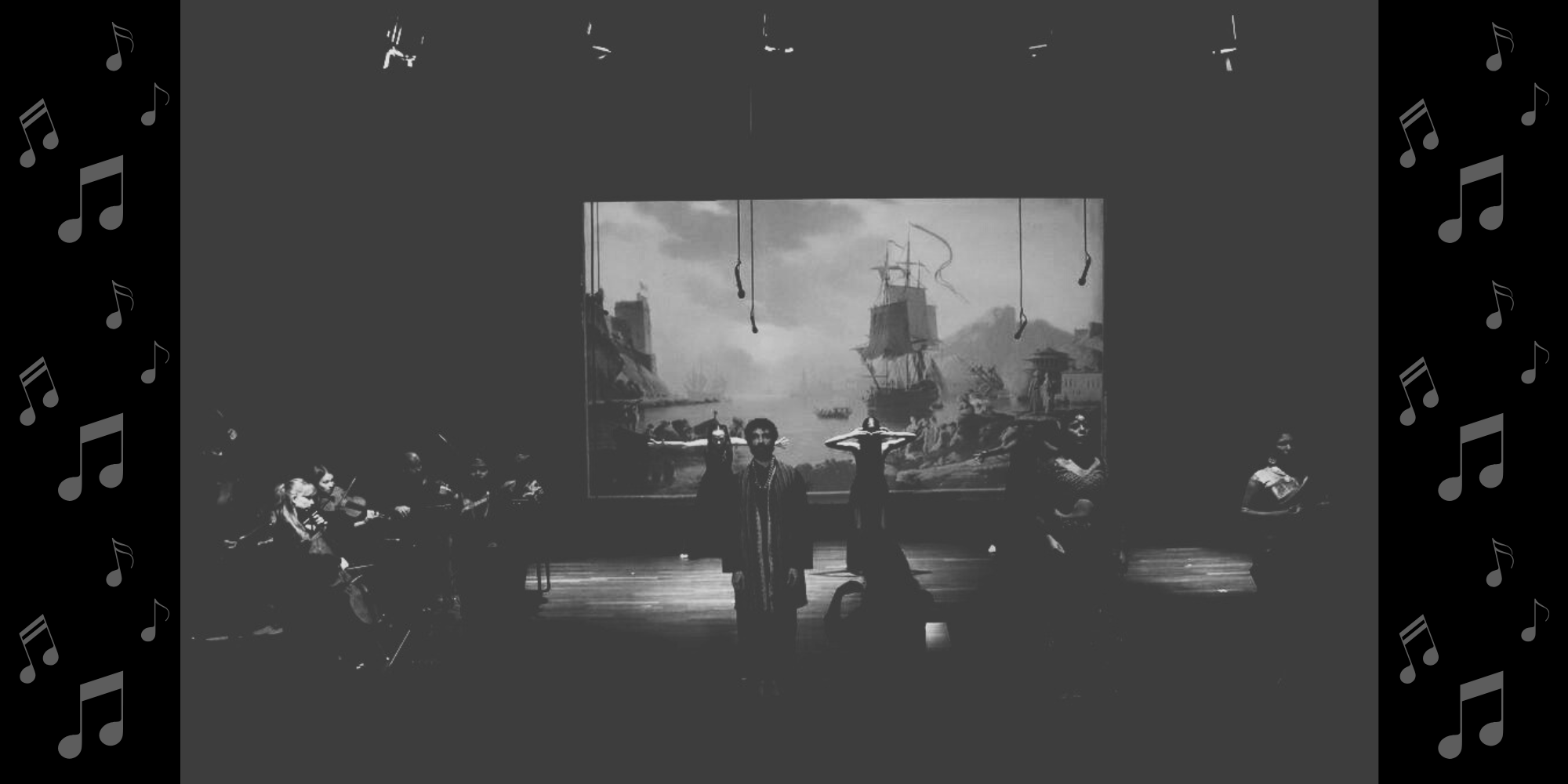
Dido and Aeneas brought together ballet, music, poetry and visual art. | Photo Credit: Special Arrangement
The staging of Dido and Aeneas, written 300-odd years ago by Henry Purcell, in Bengaluru, showed how the riveting story was still relevant
Like many love stories, the saga of Dido and Aeneas is complex – and tragic. Rooted in classical mythology, referencing two epics (a minor character in Homer’s Iliad, Aeneas plays protagonist in Virgil’s Aeneid) and populated by gods masquerading as mortals (Aeneas is son of Grecian love goddess Aphrodite while Dido, the powerful Queen of Carthage, is compared to Roman goddess Diana) – the narrative brings alive larger-than-life characters. Written as an opera by Henry Purcell, in the Baroque period, Dido and Aeneas, even after 300-odd years, remains one of the most-performed English operas.
Yet, for anyone unlettered in Western music and operas, the title ‘Dido and Aeneas’ could conjure images of togas, tie-up sandals and impenetrable Latin verses set to song. Nothing could be further from the version of Dido and Aeneas that recently held a packed audience in thrall at the Bangalore International Centre (BIC). This production by the Legato School of Music (in collaboration with The Swedish Arts Council and others) sported a resplendent Indian aesthetic that included Kanjeevaram silks, ornate lehengas, pastel kurtas, and even Heer-Ranjha-esque costume touches such as bridal dupattas and block-printed overcoats. Featuring internationally accomplished musicians, two choirs – Capella Bangalore and The Bangalore Men – dancers from The Lewis Foundation of Classical Ballet and an orchestra (complete with violin, viola, cello, bass, keyboard and percussion), the production bridged vast cultural and historical distances through masterful performances.
Read More : An opera from the ages